
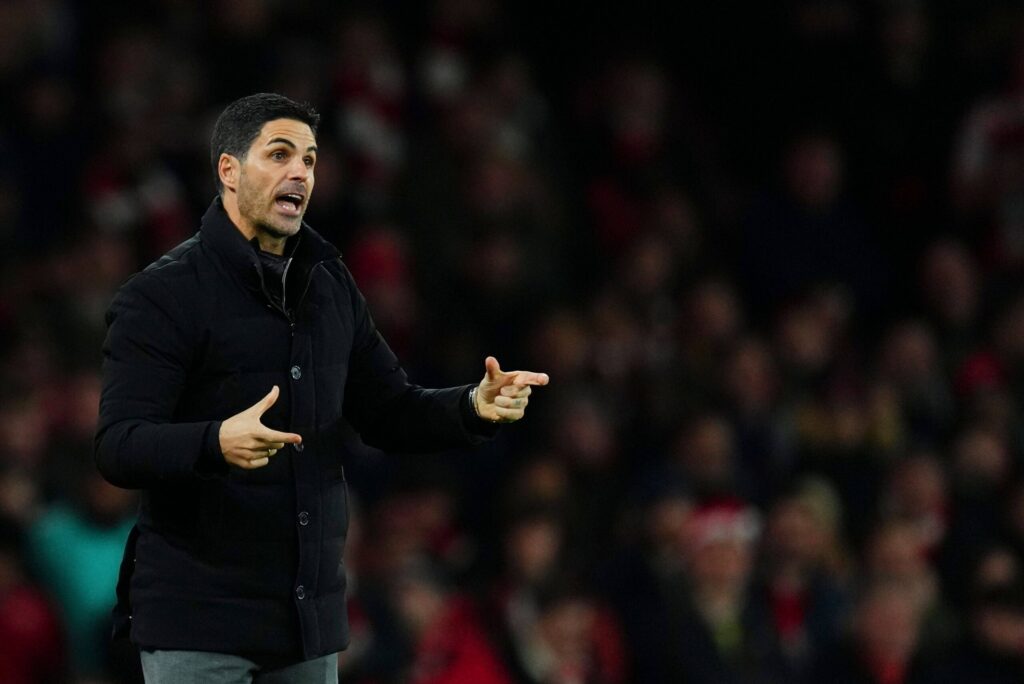
Arsenal outfought and outthought as Arteta admits Brighton deserved it
There are defeats you can explain away with a dodgy decision, a deflection or a goalkeeper having the game of his life. Arsenal’s 3-0 loss at Brighton was not one of those, and to his credit Mikel Arteta did not pretend otherwise. When he spoke afterwards, the Arsenal manager congratulated the hosts first, admitted they had deserved the win and conceded that his side had fallen well short of the fundamentals the Premier League demands. In our view, that honesty was the most encouraging thing Arsenal produced all afternoon.
Because make no mistake, this was a thorough beating. Brighton were quicker to every loose ball, braver in the challenge and calmer when they had possession. Arsenal looked like a side that had turned up expecting the game to come to them, and the longer it went on the more brittle they became.
The ugly side of the game
What stood out to us was how basic the failures were. Arteta pointed specifically to first duels and second balls, the scrappy, unglamorous parts of football that so often decide matches between well-matched sides. He said Brighton’s direct approach put Arsenal in a difficult position precisely because they could not win those initial contacts.
That is not a tactical riddle. It is about appetite and concentration. Brighton went long, competed for the knockdowns and kept turning Arsenal round. Every time the visitors lost the first header, they were scrambling to recover the second, and every time they failed to do that, Brighton had the platform to attack a defence that was backpedalling.
The worrying thing is that the problem did not end there. Even when Arsenal did win the ball back, particularly in their own half, they kept handing it straight back. Arteta was blunt about the number of technical errors his players made and said they had ignored the principles they rely on to escape man-to-man pressing. Put simply, they did not do the things they have practised over and over again.
We think this is where the real damage was done. Losing duels to an opponent who is fired up happens to every team. Compounding it by misplacing simple passes under pressure is what turns a tough afternoon into a heavy defeat. Brighton pressed, Arsenal panicked, and the mistakes fed the home side’s energy. Then the whole thing repeated itself.
Arteta did argue there were spells when Arsenal got hold of the ball and opened Brighton up. That is fair, but he also accepted that those chances were not finished with anything like the quality needed to make up for everything else that went wrong. When you are second best in the physical battle, you have to be ruthless in the moments you do get on top. Arsenal were not.
He described the result as a big lesson, and he returned to that idea more than once. We have heard plenty of managers reach for that word over the years. Usually it means the evidence is so obvious there is no point arguing with it.
They knew what was coming
Perhaps the most frustrating element for Arsenal supporters is that none of this came as a surprise. Arteta said the squad had spent two days talking about exactly this kind of fixture and about the need to come through the opening phase as winners. His message beforehand was that if Arsenal did not get on top of the early battle, controlling the match and creating a real chance of victory would be extremely difficult.
So the plan was clear. Win the first contacts, match Brighton’s intensity, and then let the quality tell. Arsenal fell down on step one and spent the rest of the afternoon chasing a game that had already got away from them.
Asked whether the defeat was a reminder that nobody simply cruises through a title race, Arteta said the picture was crystal clear to his group. He noted this was their fourth away game in a short space of time, and that the squad knows what it takes to win every match, including the one against Leeds United when the league resumes. None of that, he said, removes the disappointment they were feeling.
We agree with him on the broader point. The Premier League does not hand out marks for effort or good intentions. You either handle the physical and technical demands of an away day like this, or you get found out.
Warning signs from the first throw-in
The line from Arteta that struck us most was his claim that he could sense trouble from the very first throw-in. He spoke about his side putting themselves in danger once, twice, three times, and said they needed to react far faster than they did. If the manager can see it that early, the players on the pitch have to recognise it too and adjust. Arsenal never really did. Rather than slowing the game down and taking the sting out of Brighton, they kept making choices that gave the hosts more belief.
Arteta admitted he considered making changes at half-time but decided it was not the right moment for the adjustments he had in mind. We understand the logic of trusting the group rather than ripping things up, but on this occasion it backfired. The second half began with two or three more poor decisions, and by the time Arsenal found any sort of momentum, the match was effectively gone.
He also leapt to the defence of his new midfield pairing alongside Declan Rice, pointing out that the partnership is still in its infancy and had worked very well in the win at Sunderland. Arteta believes the relationship will grow and eventually bring Arsenal a lot of joy, and he suggested that much of what went wrong in midfield stemmed from problems behind them rather than from the pair themselves.
That may well be true. Our view is that no midfield duo, however talented, can thrive without a solid structure around it. At Brighton, Arsenal never gave theirs a platform to play from, and the gaps either side of them were there for everyone to see.
The timing is awkward. Arsenal now head into an international break with this result hanging over them for a fortnight. That can be healthy if the review is honest and the squad comes back sharper. It can also fester if the same weaknesses resurface in the next away fixture.
Arteta was keen to put the defeat in context, and he is entitled to. He highlighted what his players have done over the six or seven weeks since the World Cup, stressing that 18 of them came back from the tournament and that the way they have competed and the number of games they have won has been remarkable. One bad afternoon does not undo all of that.
What it does do is show exactly where the standards slipped. By the end of his assessment, Arteta was describing a side that kept handing Brighton oxygen. Each time Arsenal began to edge into control, another error gave the hosts fresh belief and momentum, and once that happens, he admitted, it becomes extremely hard to turn the tide.
Our take
For us, the conclusion is straightforward. Arsenal were not unlucky at Brighton. They were sloppy, second best in the battles that mattered and punished accordingly. Brighton did what good teams do: they spotted a weakness and kept pressing on it until it broke.
The positive for Arteta is that he appears to know exactly what went wrong and is not hiding from it. The challenge is turning that diagnosis into a response. Leeds at home after the break is the obvious place to start, and the way Arsenal approach the first ten minutes of that game will tell us a great deal about whether this was a one-off or a warning sign for the months ahead.